News & Updates

What's Happening at SaltHouse? Find it all here.

By subscribing, you agree to receive email communication from SaltHouse. You can unsubscribe at any time.

Featured
You Don’t Need a Dramatic Story to Have a Powerful Testimony

A lot of people hear the word testimony and immediately think of something dramatic. A life-changing moment. A major breakthrough. A clear “before and after.” Those stories are powerful, but they are not the only stories God can use. Maybe you grew up in church. Maybe you cannot remember a time when you did not believe in Jesus. Maybe your faith has grown slowly through ordinary moments, difficult seasons, answered prayers, and quiet acts of obedience. That does not make your testimony less important. Faithfulness Is Still a Story The Bible is filled with dramatic stories, but it is also filled with people who simply walked with God over time. Psalm 71:17 says: “Since my youth, God, you have taught me, and to this day I declare your marvelous deeds.” This is not just a story about one huge moment. It is a story of someone looking back and recognizing that God had been present all along. Sometimes your testimony is not, “God completely changed my life overnight.” Sometimes it is: “God has been faithful to me for years.” “Jesus has carried me through every season.” “God gave me peace when I needed it.” “He kept drawing me back when I wandered.” Those stories matter too. Ordinary Does Not Mean Unimportant It is easy to compare our stories to someone else’s and think ours is not interesting enough to share. But the power of a testimony is not found in how dramatic the story is. The power is found in who the story points to. Revelation 12:11 says: “They triumphed over him by the blood of the Lamb and by the word of their testimony.” Our testimony is powerful because of Jesus. His grace, His sacrifice, His presence, and His faithfulness are what make the story worth telling. You do not need a shocking past to talk about the goodness of God. You do not need to exaggerate your struggles or make your story sound more impressive. You can simply be honest. Someone Needs to Hear Your Story The parts of your story that feel ordinary may be exactly what someone else needs to hear. Someone may need to know that following Jesus can look like steady faithfulness. Someone may need to hear that God is present in the waiting. Someone may need encouragement that slow growth is still growth. Your story may not feel dramatic, but it can still give someone hope. At SaltHouse, we believe every story of God’s faithfulness is worth sharing. You do not need the most dramatic testimony in the room. You simply need to tell the truth about what Jesus has done in your life. That is powerful enough.

Nathaniel Bingham3 Minute Read
July 14, 20263 Minute Read
You Don’t Need a Dramatic Story to Have a Powerful Testimony
A lot of people hear the word testimony and immediately think of something dramatic. A life-changing moment. A major breakthrough. A clear “before and after.” Those stories are powerful, but they are not the only stories God can use. Maybe you grew up in church. Maybe you cannot remember a time when you did not believe in Jesus. Maybe your faith has grown slowly through ordinary moments, difficult seasons, answered prayers, and quiet acts of obedience. That does not make your testimony less important. Faithfulness Is Still a Story The Bible is filled with dramatic stories, but it is also filled with people who simply walked with God over time. Psalm 71:17 says: “Since my youth, God, you have taught me, and to this day I declare your marvelous deeds.” This is not just a story about one huge moment. It is a story of someone looking back and recognizing that God had been present all along. Sometimes your testimony is not, “God completely changed my life overnight.” Sometimes it is: “God has been faithful to me for years.” “Jesus has carried me through every season.” “God gave me peace when I needed it.” “He kept drawing me back when I wandered.” Those stories matter too. Ordinary Does Not Mean Unimportant It is easy to compare our stories to someone else’s and think ours is not interesting enough to share. But the power of a testimony is not found in how dramatic the story is. The power is found in who the story points to. Revelation 12:11 says: “They triumphed over him by the blood of the Lamb and by the word of their testimony.” Our testimony is powerful because of Jesus. His grace, His sacrifice, His presence, and His faithfulness are what make the story worth telling. You do not need a shocking past to talk about the goodness of God. You do not need to exaggerate your struggles or make your story sound more impressive. You can simply be honest. Someone Needs to Hear Your Story The parts of your story that feel ordinary may be exactly what someone else needs to hear. Someone may need to know that following Jesus can look like steady faithfulness. Someone may need to hear that God is present in the waiting. Someone may need encouragement that slow growth is still growth. Your story may not feel dramatic, but it can still give someone hope. At SaltHouse, we believe every story of God’s faithfulness is worth sharing. You do not need the most dramatic testimony in the room. You simply need to tell the truth about what Jesus has done in your life. That is powerful enough.
July 14, 20263 Minute Read
The Woman at the Well: Why Jesus Uses Our Stories
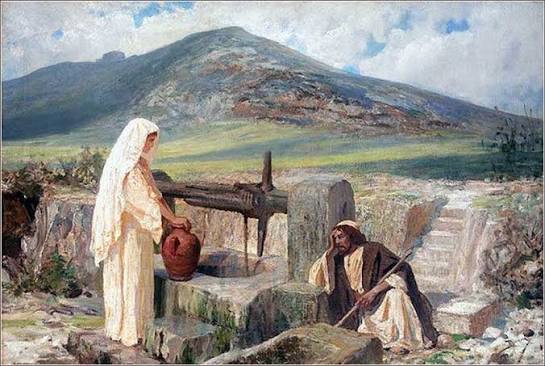
A lot of us think God only uses people who have everything figured out. People with the right words. The right background. A clean past. A perfect testimony. But the story of the woman at the well in John 4 shows us something completely different. Jesus meets a Samaritan woman while she is drawing water. She is someone others may have judged or avoided, and her life is complicated. Jesus knows her whole story, including the parts she probably wishes she could hide. And still, He chooses to sit with her. Jesus does not shame her. He does not ignore her past, but He also does not let her past define her. He offers her grace, truth, and what He calls “living water.” She came to the well looking for water, but she left having encountered Jesus. She Simply Shared What Happened After their conversation, the woman runs back to town and tells everyone: “Come, see a man who told me everything I ever did. Could this be the Messiah?” — John 4:29 She did not have all the answers. She had not been following Jesus for years. She did not have a perfectly prepared speech. She simply told people what happened. That is what a testimony is. It is not about making ourselves look impressive. It is about pointing to Jesus and saying, “This is what He has done in my life.” Your story might sound like: “Jesus met me when I felt alone.” “God stayed faithful when I was struggling.” “I was carrying shame, and Jesus showed me grace.” “I do not understand everything, but I know He is changing me.” Your story does not have to be dramatic to matter. It just needs to be honest. Our Stories Point People to Jesus John tells us that many people believed in Jesus because of the woman’s testimony. Her story was not the final destination. It was an invitation. She told people to come and see Jesus for themselves. That is why our stories matter. When we share how God has met us, someone else may begin to believe that He can meet them too. At SaltHouse, we believe testimony is worship. It reminds us that Jesus is still changing lives, healing people, restoring hope, and meeting us in ordinary moments. Jesus knew the woman at the well completely, and He still used her story. He can use yours too. So tell the story. You never know who may hear it and decide to come and see Jesus for themselves.
Collections
September 17, 202516 Minute Read
Greg Horn - When The Rain Comes
Hope Is Here: Greg’s Story of Losing Everything and Finding What Matters Most My name is Greg Horn. I am a pastor at Gardenside Christian Church in Lexington, Kentucky, and the executive director of Hope Is Here Ministries. Hope Is Here began as a daily radio program on WJMM 99.1 FM. Every Monday through Friday, I have 15 minutes to offer people faith, hope, and love. On Wednesdays and Thursdays, I invite guests to share their stories because I firmly believe everyone has one. The ministry has now produced more than a thousand programs, but it began with a season of devastating loss. I lost three friends to suicide within approximately 14 months. Their deaths created what I can only describe as a holy discontent in my heart. I knew the pain of reaching a place where life no longer felt worth living because, years earlier, I had experienced that darkness myself. Losing Everything in 24 Hours In my mid-30s, I owned a supermarket in Cynthiana, Kentucky. The company was producing nearly $10 million in annual sales, and almost 100 people worked with me. I believed I was on my way to becoming a millionaire. Then it began raining. It rained and rained until the water became a flood. My supermarket suffered extensive damage. I carried almost every kind of insurance imaginable—except flood insurance. There had not been a flood in the area for 89 years, so no one believed it was necessary. Overnight, I went from believing I was about to become a millionaire to being approximately $2 million in debt. I had to file for bankruptcy. Because I had used my home as collateral for a business loan, I lost that too. That night, I went home carrying the weight of losing my company and my house. Then my wife told me she no longer loved me and wanted a divorce. Within approximately 24 hours, I lost my business, my home, and my marriage. I began experiencing suicidal thoughts. I reached a point where I did not really care whether I continued living. Years later, when three of my friends died by suicide, I could not escape the realization that it easily could have been me. When My Faith Became Real I was already a Christian when my life fell apart. I attended church on Sundays. I tithed and believed my salvation was secure. But if I am honest, the other 167 hours of the week were mostly about Greg. I had a box for God, but the remaining boxes of my life belonged to me. People sometimes say that hardship brings us to our knees. When I lost my business, home, and marriage, it felt as though life forced me to put the other knee down too. At 36 years old, I told God that I was going to find out whether everything I had heard in church was actually true. I was angry with Him. The flood happened on my side of the street. There was a Walmart directly across from me with more than a thousand stores, while I only had one. I asked God why the water had destroyed my business instead of theirs. But even in my anger, I began consuming Scripture. I read from Genesis to Revelation and allowed the Bible to become more than something I occasionally heard preached on Sundays. It became personal. Verses I had heard throughout my life suddenly became anchors. Psalm 28:7 says: “The Lord is my strength and my shield; my heart trusts in him, and he helps me.” The collapse of my old life was the worst thing that had ever happened to me, but in some ways, it also became the best. My faith became real. I also learned that everything I had worked so hard to accumulate was temporary. One of my mentors in the faith, Wayne Smith, used to say that he had conducted many funerals but had never seen a U-Haul following the hearse. We take none of our possessions with us. Losing everything forced me to reconsider what really mattered. In the end, it was not the building, money, company, or status. It was people. The Missing Key During the divorce, my wife and I had a safety deposit box at a bank in Cynthiana. I could not find the key. At first, I assumed my soon-to-be former wife might have taken it. There was not much inside the box, but after filing for bankruptcy and losing nearly everything, I needed every dollar I could find. I called the only locksmith in Cynthiana. While he worked on opening the box, we made small talk. I knew he attended church, so I asked how it was going. He told me their pastor had recently left to take another position in Western Kentucky. Without thinking, I said, “If you ever need someone to fill in one Sunday, give me a call.” As soon as the words left my mouth, I wanted to grab them and put them back. I was going through a divorce and bankruptcy. Why would a church invite someone whose life appeared to be falling apart to preach? The locksmith thanked me and mentioned that he had once heard me speak at a Christian business event. I left embarrassed and hoped the subject would never come up again. Two weeks later, they called. Crying Through the Sermon The church was located in Berry, Kentucky, just outside Cynthiana. Berry felt like a scene from an old television show: a flashing yellow light, a post office, a bank, a funeral home, and a few churches. On my first Sunday, approximately 15 people attended. Then they informed me that I also needed to lead the singing. I am someone who makes a joyful noise when I sing, but “joyful” is probably the most generous description. We sang several hymns, and then I preached. I cried through nearly the entire sermon. When the service ended, I took my $50 check and assumed it was a one-time experience. Then they called me again. I returned and cried through another sermon. But they continued inviting me. Eventually, I was no longer crying every Sunday. The church began growing, and I started discovering that God could use me even while I was still healing. One week, the church was preparing for a “Bring a Friend” Sunday and a potluck. We had recently been averaging close to 50 people. During my drive to the church, I began calculating how many people might attend if everyone invited someone. The number 100 came to mind. I immediately dismissed it. A hundred people seemed unrealistic for our little church. But I could not escape the thought. That morning, I shared the vision with the congregation and challenged them to invite people. Two weeks later, I arrived at the church and saw cars everywhere. I had forgotten it was the special Sunday. When I walked inside, the room was standing-room only. There were 156 people in attendance. Tears filled my eyes as I remembered the vision God had placed on my heart. I went into the bathroom to compose myself, and there I sensed God reminding me: “This is not about you. It is about Me.” He was showing me that He could use a divorced, bankrupt man who was willing to remain surrendered. I did not need to have an impressive story or a perfectly organized life. I needed to keep both knees down and remember who deserved the credit. The elders of the church later told me they believed God’s hand was on my life and encouraged me to consider full-time ministry. After praying and seeking counsel from pastors, friends, and family, I was ordained at Berry Christian Church in 2003. God Is in the Details I served at Berry Christian Church for two years before joining Northeast Christian Church. I initially served as an associate pastor and later spent eight years as the executive pastor. After a challenging season, I stepped away from church ministry for a time and began hosting a daily sports radio program in Lexington. Sports radio had always interested me, and the opportunity allowed me to explore that passion. At the time, I did not realize God was preparing me for something else. Approximately six months after the sports program ended, the radio station’s general manager called me. He knew my two favorite subjects were Jesus and sports. The station had an available 15-minute lunchtime slot and wondered whether I would be interested in returning to radio. That opportunity arrived around the same time my third friend died by suicide. Suddenly, the pieces began coming together. God had used sports radio to teach me how to communicate consistently on the air. He had used my personal loss to give me compassion for people who felt hopeless. He had allowed me to experience suicidal thoughts so I would understand that kind of darkness from the inside. Someone needed to begin talking openly about suicide and the loss of hope that often precedes it. The name God placed on my heart was simple: Hope Is Here. The Enemy Comes to Destroy In John 10:10, Jesus says: “The thief comes only to steal and kill and destroy.” Suicide is one of the clearest examples of destruction. A person may believe ending their life will end their pain and that no one else will care, but the damage spreads through families, friendships, churches, workplaces, and entire communities. It creates ripples that reach far beyond what the person can see in that moment. But John 10:10 does not end with destruction. Jesus continues: “I have come that they may have life, and have it to the full.” That became the message I wanted people to hear. The enemy may be trying to convince you that your story is over, but Jesus offers life. There is always hope because of Him. Sometimes the only thing a person needs to do is hold on for another 24 hours. God can do a great deal in one day. Everyone Has a Story One of the greatest privileges of Hope Is Here has been hearing people share what God has done in their lives. There is a saying that God had one Son without sin, but no son or daughter without sorrow. On this side of heaven, all of us experience pain, disappointment, grief, or hardship in some form. But as followers of Jesus, we do not suffer without hope. One guest named Sherry had escaped an abusive marriage. One day, her ex-husband approached her while she was retrieving her mail, shot her in the head at close range, and then ended his own life. She was transported by helicopter to the hospital. The surgeon told her children that all they knew to do was pray. More than 50 people gathered in the waiting room and did exactly that. Decades later, Sherry is still alive. She lost certain physical abilities and was unable to continue working at her previous job, but she chose not to become bitter. She lives with gratitude, mentors others, serves survivors of domestic violence, and has become a powerful prayer warrior. What someone intended for evil, God has used for good. Another guest was a college football player who broke his leg during his freshman season. What began as an injury expected to heal within weeks eventually required several surgeries. Years later, doctors had to amputate his leg below the knee. He could have walked away from God in bitterness. Instead, he asked, “God, how can You use this?” With the help of a prosthetic leg and the continued support of his coaches, he eventually returned kickoffs during his junior and senior seasons. Stories like these remind me that pain does not have to be wasted. God can use what we would never choose. Hope Is Not Overrated Many things in life are overrated. Someone recommends a restaurant, and the food is disappointing. Someone tells you a movie is incredible, and you leave wondering whether you watched the same film. Sports teams can certainly be overrated. I have spent a lifetime suffering as a Dallas Cowboys fan, so I understand that personally. But hope is not overrated. The foundational Scripture for Hope Is Here is Romans 15:13: “May the God of hope fill you with all joy and peace as you trust in him, so that you may overflow with confident hope by the power of the Holy Spirit.” God is the source of hope. He offers joy and peace, but the verse also includes a difficult phrase: “As you trust in Him.” Trust is often the hardest part. We have to choose to believe God is working when we cannot see the outcome. We have to trust His character when the circumstances do not make sense. But the verse promises more than a small amount of hope. It says we can overflow with confident hope through the power of the Holy Spirit. Jesus promised that when He left, He would send a counselor and a comforter. I need both every day. I need wisdom to know what to do, and I regularly need comfort when life becomes painful. Through Hope Is Here, I have learned to ask the Holy Spirit where He is working and then join Him there. Breathing Life Back Into a Church Several years ago, God brought Hope Is Here and Gardenside Christian Church together. When I arrived at Gardenside, the church was approximately six months away from closing its doors. It could not afford a full-time pastor. At the same time, Hope Is Here had become a nonprofit organization and was able to provide part of my support. I did not necessarily need a full-time position, and the church could not afford one. The arrangement fit. As I prepared to begin at Gardenside, I knew I needed a vision for the church. One morning, my devotional reading included 1 Corinthians 13:13. At first, I almost skipped it. I had read the verse many times and used it at weddings: “And now these three remain: faith, hope and love.” But as I read it again, I sensed the Holy Spirit saying: “This is how I want you to help rebuild My bride at Gardenside.” Faith. Hope. Love. We would meet people wherever they were in their faith journey. Some had followed Jesus for more than 50 years but had become discouraged. Others did not even understand the basics of the gospel. We wanted to help every person take their next step. We would also help people move from hopelessness to hope through Jesus. Finally, we would become a place where people knew they were loved. Loving People in Every Season A significant portion of the American population is single, divorced, or widowed. Yet churches sometimes struggle to fully embrace people who are experiencing singleness. We can unintentionally organize everything around couples and families, leaving people to wonder where they belong. Jesus was single. Paul was single. A person’s marital status does not determine their value or usefulness in God’s kingdom. Some people may also be married but feel completely alone emotionally. They share a home with someone, yet do not feel known or loved. Every person needs to know that God loves them. At Gardenside, our approach has been simple. Help people grow in faith. Help hopeless people discover hope. Show people that they are loved. We have watched God breathe life back into the church. People who first connected through Hope Is Here began attending. People were baptized, and stories of transformation began emerging. One of the greatest joys has been watching the faithful group who stayed through the difficult years begin smiling and celebrating again. They refused to give up on the church. Now they are seeing new life. I Feel Like I Am Just Getting Started As I approached my 60th birthday, I realized something surprising: I feel like I am just getting started. God continues opening doors for Hope Is Here in Kentucky and beyond. He continues restoring Gardenside and bringing people into its community. I do not know everything He has planned next, but I am excited. Earlier in my life, I often developed my own plans and asked God to bless them. Now I try to follow a different approach. Instead of asking God to bless what I have decided to do, I ask Him to show me where He is already working so I can join Him. I have also learned patience. I am a Type A person with a strong work ethic. My natural instinct is to move quickly and make things happen. But when I get ahead of God, things usually do not go well. So I wait until the Holy Spirit makes the next step clear. I do not know what is coming, but I believe it will be good. I genuinely believe the best is yet to come for my one and only life. What I Would Tell My Younger Self If I could sit down with the version of myself who had just lost his business, home, and marriage, I would first acknowledge his anger. I would tell him: God has not abandoned you. He is with you in every moment, even when you cannot feel Him. You cannot see it now, but your pain will create ripples of hope in the lives of people you have not yet met. When I was younger, I struggled to believe Romans 8:28: “In all things God works for the good of those who love him, who have been called according to his purpose.” I believed some things might work together for good. Maybe even most things. But certainly not all things. Now, after everything I have experienced and the hundreds of stories I have heard through Hope Is Here, I believe it. All things truly can work together for good in the hands of God. That does not mean every event is good. Bankruptcy was not good. Divorce was not good. Suicidal thoughts and the loss of my friends were not good. But God has taken the pieces of those painful experiences and used them to bring faith, hope, and love to others. So I would tell the younger Greg: Be patient. Keep looking to God. Listen for His voice. Trust Him with all your heart, even when you cannot understand what He is doing. The darkest day of your life will not be the final chapter. Hope is here. And because of Jesus, the best may still be ahead.
September 17, 202520 Minute Read
James Rutledge - Overcoming Tragedy
God Still Has a Good Story: James’s Journey Through Calling, Loss, and Hope My name is James Reledge, and I live in Central Kentucky. I am an audio engineer on the central production team at Southland Christian Church, where I have served for nearly 27 years. Today, I oversee audio across Southland’s campuses. I travel from location to location, train volunteers, repair equipment, edit audio, mix weekend services, and help people develop the gifts God has given them. But I did not begin with decades of experience or an understanding of what God was calling me to do. I started as a teenager sitting behind an audio console, moving faders without really knowing what they did. Getting Baited Into Youth Group I attended Southland occasionally as a child, but I did not become truly involved until my sophomore or junior year of high school. At the time, I was part of a more alternative crowd. I assumed the students in the youth group were cliquey, and I did not have much interest in joining them. My youth minister, Brewster, continued inviting me anyway. Between him and my mom, there was always someone encouraging me to give youth group another chance. Eventually, Brewster found the right way to get my attention. He told me they needed help with production and asked whether I would be interested. I had always enjoyed technology. I built computers, played video games, and liked figuring out how things worked. I did not know anything about professional audio, but helping with production sounded interesting. So, I agreed. I began sitting in the back of the room and moving faders. I did not understand much of what I was doing, but I could listen and decide whether something sounded good. That was my starting point. Eventually, another student named James asked whether I wanted to learn how to mix the church’s broadcast. Back then, we recorded services live to tape using an analog console in the balcony. It sounded like fun, so I began learning from him. From that point forward, I spent nearly every free moment I had at church. I enjoyed the technology, but I also realized it allowed me to serve God while doing something I genuinely loved. The College Plan That Never Happened After high school, I enrolled at the University of Kentucky to study computer science through the College of Engineering. Like many young people interested in computers at the time, I imagined that I might eventually design video games. The program was excellent, but it was also heavily focused on theory, logic, processors, and the deeper mechanics of computing. I became disillusioned because it did not look like what I had imagined. Some of my early classes felt easy, so I began skipping them. Then I skipped too often, the material became more difficult, and my grades started falling. Eventually, the university gave me a choice: improve my grade point average or take a six-month break. I chose the break, fully intending to return. Around the same time, a part-time production position became available at Southland. I accepted it in 1998, and by 2000, the position became full-time. I never returned to school. My parents did not necessarily love the decision. They had expected me to finish an engineering degree and pursue a more traditional career. I did not have a detailed plan for the future. I was mostly thinking about the next day and the next opportunity. But when I compared school with what I was experiencing at church, I saw an immediate impact in the work I was doing. I knew I could be useful there. Still, as my friends graduated and began their careers, I started questioning myself. I constantly thought, “You didn’t finish.” I wondered whether I had made the wrong decision. I watched other people move into the workforce with degrees while I was still living at home and working at a church. One day, I was sitting upstairs in my family’s computer room, beating myself up over it again. Then I sensed God say something to me. It was not an audible voice, but it was as clear as anything I had ever experienced: “You didn’t need that for what I wanted you to do.” That moment became a turning point. God was not telling me that education was unimportant or that everyone should leave school. He was reassuring me that my unfinished degree had not disqualified me from the work He had prepared for me. The path looked different than I expected, but that did not make it a mistake. Believing the Grass Was Greener There was another season when I questioned whether I was supposed to remain at Southland. During the late 2000s, some relationships and personalities at the church made the work difficult. Nothing especially dramatic had happened, but the environment became discouraging. I am a feeler. When other people are disappointed or frustrated, I tend to absorb their emotions—even when the situation does not directly involve me. Over time, I became disillusioned. I had a friend working at a church in Colorado, and I began visiting him. From the outside, that church seemed to be doing everything correctly. They did not appear to carry the same baggage or limitations I saw in Kentucky. They were doing exciting ministry, and they were surrounded by mountains. I began talking to people there about the possibility of joining their team. While driving through Colorado one day, surrounded by the beauty of the Front Range, I sensed the Spirit speaking again. It was as though God said, “You see what I am doing here? I am going to do that in Kentucky, and I want you to remain part of it.” Honestly, that was frustrating. I wanted to stay in Colorado. I loved the scenery and the outdoor lifestyle. But eventually, I had to admit that some of my desire to leave had more to do with escaping discomfort and living somewhere beautiful than following God’s direction. I returned to Kentucky. Over time, many of the difficulties that had discouraged me changed. God worked through the problems, removed some of the negativity, and continued doing remarkable things at Southland. The grass had looked greener somewhere else, but God wanted me to help cultivate what He was doing at home. Growing From One Campus to Many When I began working at Southland, there was only one campus. My responsibilities centered on preparing for the weekend. I set up microphones, patched inputs, learned who would be playing each instrument, attended rehearsals, and tried to create the best mix possible for Sunday. Technology was much more limited. We could not record rehearsals and refine everything later. We had to listen, make decisions in the moment, and hope we remembered everything when Sunday arrived. As Southland added campuses, the work began changing. You cannot clone yourself, so we had to learn how to equip other people. When the Lexington campus opened in the former Lexington Mall, I moved there months before the first service. Our team installed equipment, hung speakers, ran wires, and built technical systems throughout the facility. Eventually, Southland developed a central production team that could support all its locations. Today, I oversee the audio side of that work. My responsibilities include mixing services, training volunteers, editing audio for videos, working on podcasts, repairing systems, and traveling wherever I am needed. The technology has changed dramatically since I started. Analog consoles and limited outboard equipment have been replaced by powerful digital systems. But some of my favorite moments have little to do with the equipment. I love mixing. There is something special about knowing a console so well that you can close your eyes, listen to the music, and respond almost instinctively. But the most meaningful moments often happen when I am not touching the console. They happen when I sit beside someone I helped train and watch them create a great mix. I get to see them use their gifts and participate in what God is doing. It is not because of me. I may have helped them learn, but God gave them the ability. I simply had the privilege of creating space for that ability to grow. Sometimes, the best evidence that you have done your job well is realizing that you are no longer needed in the seat. Growing Up Around Faith I grew up in a Christian home and do not remember life without some awareness of God and Jesus. When I was around seven years old and my family was living in Alabama, I prayed and told God I believed in Him. I was not baptized until my senior year of high school. There was no major reason for the delay. It simply had not happened. When I wanted to attend a senior trip that required participants to be baptized believers, I finally scheduled a time with Brewster. He asked what had taken me so long. I did not have a good answer. My faith was always present, but that did not mean I never rebelled. I attended a private Christian school in Alabama from second through fifth grade. That environment was so sheltered that I almost forgot other people did not believe the same things I did. Moving into public school brought some culture shock. By seventh grade, I had decided I wanted to rebel. I skipped classes and tried to become what I thought was a bad kid. I was never quite as rebellious as I imagined myself to be, but I was moving in the wrong direction. In eighth grade, I changed schools again and met two important friends, Casey and Kong. They had experienced similar difficulties and challenged me to believe we were capable of more. We had been placed in some of the lowest-level classes because of our behavior and performance. Kong looked at us and said, “We’re better than this. We can do this.” Together, we began making better choices and improving our grades. The three of us remained friends throughout high school. God used the right people at the right time to redirect me. Surrendering the Desire for Marriage As I entered my 30s, I became discouraged about being single. I had never experienced many serious relationships. Part of that came from not putting myself out there, and part of it came from insecurity and not believing in myself. Eventually, I confronted God about it. I told Him that I wanted a wife and wanted to share my life with someone. But I also told Him, “If it is just going to be You and me, I will not pretend I am completely fine with it—but I will be okay.” It felt like I had finally surrendered the outcome. Not long afterward, I met Lauren. She had recently moved from Louisiana to Kentucky after experiencing painful relationships and a previous marriage that had ended in divorce. She was trying to heal and begin again. Lauren’s sister, Amanda, served on the worship staff at Southland, and Lauren began singing with the worship team. I was behind the console while she was onstage. I immediately noticed that she was talented and beautiful, but I did not do anything about it. Over time, we spent more time together at church. Eventually, Lauren had to be the one to ask me out. Our first date was December 23, 2008, at a restaurant in Lexington. I was supposed to arrive at 12:30. I arrived at 12:45 because, as everyone who knows me will confirm, James is always late. Lauren and I were complete opposites. She was extroverted, energetic, and often the life of the party. She noticed everyone and made sure they were doing well. I was the quiet observer. But we immediately connected. I walked out of that first date already imagining that we would get married and name our children. Beginning a Life Together Our relationship became serious quickly, but not carelessly. We discussed money, family, children, and the future much earlier than many couples might. Lauren wanted four children—three biological and one adopted. I initially imagined two because that was the family structure I knew. I knew she had endured significant pain in her past, so when I decided I wanted to marry her, I wanted to approach her father thoughtfully. He lived in Florida, and I did not want to be a stranger suddenly asking for his daughter’s hand. I visited him, spent time with him, and went fishing with him. Eventually, while our families were attending a wedding at Disney World, I cornered him and told him I wanted to marry Lauren. I expected a long list of questions. Instead, he asked me one: “Do you love her?” I said yes. That was enough for him. He could already see that the love between us was genuine. I proposed on May 29, 2009. Because our first date had been on the 23rd, we thought it would be meaningful to marry on another 23rd. We chose October 23, 2009. We were married at a winery in Lexington, surrounded by friends and family. Afterward, we traveled to Whistler, British Columbia, for our honeymoon. When we returned, we stepped into married life. We spent time with other couples and began imagining the future we would build together. We had no idea how little time we would have. Nineteen Days Leading up to the wedding, Lauren had experienced some health concerns. She had swelling in her legs and several other symptoms, but we did not understand what was happening. The H1N1 flu was circulating at the time, so there was confusion over whether her symptoms were connected to that or something else. I remember mentioning the possibility of a blood clot, but we continued moving forward with life. On November 11, 2009, only a few weeks after our wedding, Lauren woke up to prepare for work. I heard her collapse in the bathroom. She had fallen, hit her mouth, and lost consciousness. There was blood, and neither of us understood what was happening. She regained consciousness and told me to call 911. While I spoke with the dispatcher, she repeatedly passed out and woke back up. In typical Lauren fashion, she kept telling me to ask the paramedics to hurry. When the first responders arrived, one of them sent me outside to direct the additional emergency vehicles. I ran outside in whatever I had been sleeping in, functioning entirely on adrenaline and following every instruction I was given. Before the ambulance left, someone told me that Lauren was no longer breathing. I shifted into problem-solving mode. I contacted her sister, gathered Lauren’s things, got into my car, and followed the ambulance to the emergency room. During the drive, I prayed. I told God, “I trust You with her. If it is Your will, completely heal her from whatever this is. But if it is not, I still trust You.” At the hospital, I was taken into a private room and told it was simply so I would not have to wait in the lobby. Lauren’s sister arrived, and we waited together. Eventually, an emergency room doctor we recognized from Southland entered the room. He asked me to explain everything that had happened. I assumed that meant Lauren had been stabilized and he needed information to determine the next step. I entered a kind of robotic state, listing every detail I could remember. When I finished, he told us that the medical team had worked on Lauren for an hour but had been unable to restart her heart. She had died. Nineteen days after our wedding, my wife was gone. When Life Became a Blur The following days and weeks barely felt real. The same pastors who had performed our wedding performed Lauren’s funeral. They told me they had never experienced anything like it. Friends, family members, church staff, and coworkers surrounded us. We were able to say goodbye to her in the hospital, but I struggled to comprehend what had happened. One of the hardest parts was realizing that all the private conversations Lauren and I had shared were now mine alone. We had discussed our hopes, our fears, our plans, our future, and the family we wanted to build. No one else knew all of those things. That shared world had disappeared overnight. A medical examination revealed that Lauren had multiple blood clots. Even if we had understood what was happening earlier, there may not have been anything that could have saved her. But grief does not always listen to reason. I blamed myself. I wondered whether I should have recognized the signs or pushed harder for medical answers. I thought we should have changed our health together or done something differently. I felt guilty when I thought about her father. The last time he had seen her was at our wedding, when he had entrusted her to me. Now she was gone. The enemy used that thought to whisper that it was my fault. Her father did not blame me. No one did. But grief has a way of making you carry responsibility for things you never controlled. The Ministry of Sitting Beside Someone During those first few weeks, I stayed with my parents. A friend named Jeff came to the house and sat with me. We did not have a deep conversation. Most of the time, neither of us spoke. He was simply there. His presence meant more than he probably realized. That experience changed the way I think about helping someone through grief. When someone loses a spouse, parent, child, or another person they deeply love, we often feel pressure to say something meaningful. But there may not be anything to say. You do not need to explain the loss. You do not need to solve the pain. Sometimes, one of the greatest gifts you can offer is to sit beside someone so they do not have to experience the pain alone. Smiling Again For several months, I was simply getting through life. Then, slowly, I noticed that I could smile again. I began feeling excited about small things. The pain did not disappear, but it stopped occupying every moment. We held another funeral in Louisiana for the family members who had been unable to travel to Kentucky. We sat together, shared memories, and remembered who Lauren had been. Those moments were painful, but they were also healing. Over the years, Lauren’s family and I have grieved at different speeds and in different ways. Her mother and I still acknowledge important dates. On Lauren’s birthday, I may send her a heart. On our anniversary, she may send one to me. The pain is no longer as raw as it was, but it remains part of us. Losing someone can feel like losing part of your body. Life continues, but there is a kind of phantom pain that never completely disappears. This Was Not the End of the Story Around six months after Lauren died, I sensed God showing me something. It was as though He said, “You are hurting, and it is okay to hurt. But this was not only about you. You were able to partner with Me in restoring her.” Lauren had come to Kentucky after experiencing significant pain. During our short time together, she found love, safety, healing, and a fresh beginning. Now she was with God. I would continue grieving, but I also began recognizing the gift I had been given. I got to love an extraordinary person. Our marriage was unimaginably short, but that did not make it meaningless. Our story would always be part of me, and I could continue sharing it. I could have spent the rest of my life angry with God. Instead, He helped me see that Lauren’s death was not the end of her story—or mine. There was still hope. There was still life to be lived. Lauren would have wanted me to continue. Honestly, she probably would have kicked my butt if I had given up on everything God was still asking me to do. Continuing to Be Used I have not remarried. I have remained open to another relationship, but no situation has felt right. It would take someone special. In the meantime, I continue focusing on the life God has placed in front of me. I serve my family as my parents grow older. I remain connected to my brother. I continue working in a ministry that challenges and fulfills me. Nothing about my ability to be used by God ended when I lost Lauren. I had an incredible, incredibly brief season with someone special. That season became part of my story, but it was not the final chapter. My work at Southland continues changing. There are always new technologies, new buildings, new volunteers, and new problems to solve. I am also surrounded by people who have served faithfully for many years. That kind of longevity is special. Staying in one place is not the right path for everyone. Sometimes God calls people into something new. But for me, He repeatedly reminded me to remain. I am grateful I listened. What I Would Tell My Younger Self If I could speak to the teenager who first sat behind an audio console, uncertain about his future, I would tell him to trust God. If I could sit beside the version of myself who had just lost his wife, I would tell him the same thing—although I know those words would have been much harder to receive. I would tell him: There is still hope. There is still life ahead of you. God still has good for you. Trusting God does not mean pretending the loss is not devastating. It does not mean forcing yourself to smile or rushing through grief. It means believing that pain does not get to write the final sentence. To the younger version of myself who felt like a failure because he did not finish college, I would say: God has a good story for you to write. You and He get to participate in writing that story together. I could have finished my computer science degree, entered the technology industry, and lived a good life. I might still have influenced people and shared my faith. But when I look at the path God gave me—the people I have trained, the services I have helped create, the volunteers I have encouraged, the church I have watched grow, and the story I now carry—I believe this became the better story for me. It was not the easier story. It included disappointment, uncertainty, grief, and a loss I would never have chosen. But it also included calling, love, community, purpose, and hope. Your story may not unfold the way you planned. You may leave something unfinished. You may be asked to remain when you want to leave. You may lose someone you cannot imagine living without. But your most painful chapter does not have to become your final chapter. There is still hope. There is still life to be lived. And God still has a good story for you.

September 17, 202520 Minute Read
Andrew Patag - Trusting God
Failure Is Not Final: Andrew’s Story of Surrender, Community, and Finding Identity in Christ My name is Andrew Patag. I was born and raised in Los Angeles, California, and recently graduated from the University of Kentucky College of Pharmacy. I moved to Kentucky in the fall of 2019 after completing my undergraduate degree at UCLA. I have been walking with Jesus since I was 10 years old, but much of my journey has involved learning what following Him truly means. For years, I believed life was supposed to move in a straight line. Work hard. Trust God. Make the right decisions. Find success. But my life has looked nothing like that. Instead, God has used failed classes, broken relationships, unexpected transitions, depression, unfamiliar communities, and unanswered questions to tear down the false foundations I built my identity upon. Through it all, He has shown me that He is greater than my failures and far more capable of directing my life than I am. Growing Up With Faith My parents wanted my siblings and me to receive a Christian education, so I was homeschooled through ninth grade. The public education system in Los Angeles did not necessarily reinforce the values they wanted to instill in us, so they made the decision to teach us at home. My parents taught me to love the Lord, work hard, and respect others. I am incredibly grateful for the foundation they gave me. When it was time for college, I had opportunities to attend private Christian schools, but I chose UCLA. One of the reasons was that I wanted to discover whether I would actually live out my faith when I was no longer surrounded by people who automatically agreed with me. At a Christian school, it might have been easy to blend in with people who identified as Christians but were not truly pursuing Jesus. UCLA was different. If you said you loved Jesus, you had to decide whether you were actually going to live like it. There were opportunities everywhere to walk away from the faith. Most people would not have noticed or cared if I had. Faith felt almost like a binary decision. You were either following Jesus or you were not. There was not much room to comfortably sit on the fence. Learning That Truth and Grace Belong Together I was blessed to find Christian community almost immediately at UCLA. I became involved with Cru, formerly known as Campus Crusade for Christ, and Athletes in Action. I met people who were genuinely pursuing Jesus and wanted to help one another do the same. That community began challenging the version of Christianity I had carried into college. I grew up Southern Baptist in Los Angeles, which is a fairly unusual combination. I received a strong understanding of truth, and I am thankful for that. But I did not fully understand grace. I knew a great deal about what was right and wrong. I knew how Christians were supposed to behave. I did not understand what it meant to receive God’s grace, live in freedom, or recognize that grace and truth must exist together. I also carried a subtle sense of pride. I was not doing many of the things Christians often identify as obviously sinful. I was not breaking the law, using drugs, sleeping around, or regularly getting drunk. Because of that, I assumed I was doing well spiritually. But avoiding certain behaviors is not the same as pursuing God. I was not allowing Him into the areas of my life that needed transformation because I had convinced myself that I was already good. That pride concealed deep insecurity. Building My Identity on Achievement I defined myself through athletic and academic success. Getting into UCLA was difficult, both academically and athletically. I was grateful for the opportunities I received, but over time, those accomplishments became more than gifts. They became my identity. I knew how to introduce myself through what I had achieved. I attended UCLA. I played volleyball. I performed well academically. Those things gave me value—or at least I believed they did. God began revealing that I had rooted my identity in nearly everything except Jesus, despite regularly identifying myself as a Christian. He had to strip away the external things I depended upon so I could discover who I was when they were gone. That process was not quick or comfortable. In many ways, it is still happening. When Life Was No Longer Linear My parents modeled hard work and faithfulness, but they did not often talk about their failures or shortcomings. I heard stories about overcoming adversity and finding success, especially from my dad. He moved to the United States from the Philippines when he was 12 years old without knowing English. People told him he would never amount to anything, and he spent his life proving them wrong. His story taught me resilience. But the version I understood was simple: Work hard, trust God, and you will eventually get the result you want. That mindset shaped the way I interpreted everything. If I studied hard, I would receive the right grade. If I trained hard, I would find athletic success. If I trusted God and made good choices, life would keep moving upward. Failure did not fit within that framework. During my sophomore year of high school, I received a B in AP Chemistry. That felt like a disaster. Rather than learning how to process disappointment, I looked for a direct explanation. I had been distracted by a relationship, so I had not achieved the outcome I wanted. Cause and effect. Work harder next time. Fix the problem and return to the upward path. But eventually, life gave me situations that could not be solved so simply. The Pharmacy School Door That Closed During my senior year at UCLA, I experienced several major losses at once. I went through a painful breakup. My grandfather passed away. A person who had discipled me was unexpectedly removed from my life. I began struggling academically and failed several classes. I was depressed and did not know how to respond to everything happening around me. Near the deadline, I decided to apply to a pharmacy school in Massachusetts. Pharmacy programs can accept students before they have completed a bachelor’s degree, so I viewed it as a possible escape. I applied on the final day. It felt like a long shot, but the school accepted me and offered me a scholarship. I thought I had found my way out. I could leave Los Angeles, escape the pain, and begin a new life somewhere else. There was only one problem. I needed to complete six prerequisite classes before beginning the program in August. I developed several plans. I considered online courses, community college classes, and examinations that could provide the required credits. Every one of those plans fell apart. The door completely closed. I could not understand what God was doing. I thought Massachusetts was the next step. Instead, I had to return to UCLA for a fifth year. At the time, it felt like another delay and another failure. Looking back, I can see God’s hand in it. The Year I Was Supposed to Avoid During that fifth year, I finally learned how to build genuine community. The men I met during that season remain some of my closest friends today. We now live in different places across the country, but those relationships have endured. Had the original pharmacy school plan worked, I would never have experienced that year with them. I was also able to apply to more pharmacy programs. One of them was the University of Kentucky College of Pharmacy, which was among the highest-ranked pharmacy schools in the country. Had I known how competitive it was, I probably would not have applied. My undergraduate grades did not make me feel like an obvious candidate. But I was accepted. God used a closed door in Massachusetts to redirect me toward Kentucky. Had the first plan worked, countless parts of my current life would never have happened. I would not have moved to Lexington. I would not have met the people who now make up my community. I would not have served in the ministries that have shaped me. I would not be telling this story today. Tearing Down the Pillars Since approximately 2016, God has been breaking down the strongholds and false foundations I built. The main pillars were athletics, academics, relationships, and community. I also carried a deep desire for marriage and believed that part of my life needed to unfold according to a particular timeline. Those things are not inherently bad. Athletics can develop discipline. Education can prepare you to serve others. Relationships and community are gifts from God. Marriage is a beautiful desire. The problem was that I looked to those things to tell me who I was. God began showing me that none of them were strong enough to carry the weight of my identity. When I moved to Kentucky, I was living away from my parents for the first time. I love them and am grateful for them, but our relationship also included a significant amount of control and emotional baggage. The distance created space for God to work. For the first time, I was in a state I had never visited, surrounded by people I did not know. It was just God and me. He began asking whether I would finally allow Him to break the patterns and strongholds I had not even realized were controlling me. Living With One Foot in Kentucky When I moved to Lexington, I was still dating a woman I had met at UCLA. I played volleyball, she was on the rowing team, and we met through Athletes in Action. People saw us as a Christian athletic power couple and joked that we would someday have Division I athletes for children. The reality was far less healthy. Our relationship became toxic on both sides, but we remained together for approximately three and a half years. During my first two years in Kentucky, I always had one foot here and the other in California. I assumed I would complete pharmacy school and move back. Either I would return to her, she would move to Kentucky, or we would relocate somewhere else together. Because I viewed Kentucky as temporary, I did not fully invest in the people around me. I began attending Southland almost immediately, but my involvement was minimal. I arrived, attended the service, and left. I also expected to find community primarily through my pharmacy school class. There were several great people in the program, but I never fully gave them a chance because I was still holding tightly to the community I had at UCLA. Whenever possible, I flew back to California. I never completely checked into my life in Kentucky. Then the relationship ended unexpectedly. Suddenly, the future I had built around that relationship disappeared—and I realized I had been living in Lexington for years without truly allowing it to become home. Putting God in a Community Box The end of that relationship exposed another idol in my life. I had very specific expectations about community. I believed meaningful friendship in Kentucky needed to look exactly like the community I had experienced at UCLA. It needed to involve people my age, in the same stage of life, with the same kind of Christian background and shared experiences. Without realizing it, I had placed God inside a box. I was essentially telling Him, “You can provide community, but only in these specific ways.” He began proving me wrong. One of the main ways He did that was through volleyball. Finding Community on the Sidelines Shortly after the COVID-19 pandemic disrupted nearly every normal rhythm of life, I began coaching volleyball in Lexington. Coaching introduced me to families I would never have met otherwise. During tournaments, coaches often spend hours around the athletes’ parents. The other coaches are occupied with their teams, so you naturally begin talking with the families beside the court. Many of the parents from my first team attended Southland. They invited me to sit with them at church and encouraged me to become more involved. Through coaching, I began attending Southland more consistently. Coaching later opened the door for me to serve at the collegiate level. There, I became friends with several men connected to the women’s volleyball team. Many of them were already serving at Southland. They began encouraging me to become a middle school leader. At first, I resisted. I still did not know how long I would remain in Kentucky, and committing to ministry felt like admitting that this place might actually be home. Then I attended a men’s conference at Southland. A speaker addressed the men in the room who had been injured by life and pushed to the sidelines. He said they had experienced pain, but now they were healing. It was time to trust God, step forward, and get back into the game. The message felt personal. Approximately a year had passed since the breakup. I was not completely healed, but I knew God was telling me I could not remain on the sidelines forever. In the fall of 2022, I began serving as a middle school leader at Southland’s Nicholasville campus. That decision changed the direction of my life. Finding CSF in an Unexpected Season Through the other middle school leaders, I met people involved with Christian Student Fellowship at the University of Kentucky. They invited me to Synergy, CSF’s weekly worship gathering. When I finally attended, I wondered where the ministry had been during my entire time in Lexington. Still, I immediately created another barrier. I was a graduate student, and most of the people there were undergraduates. I assumed we were in completely different stages of life and questioned how I could possibly find meaningful community with them. Once again, God had to dismantle my expectations. Sometimes we approach community selfishly, asking only what we can receive from it. God may place us somewhere because another person needs our experience, encouragement, or presence. At the same time, I have discovered that mentorship does not only move in one direction. Some of the younger men I met through CSF have challenged and encouraged me deeply. They are disciplined in their studies, physical health, and relationships with Jesus. They push me toward Christ, and I have the opportunity to do the same for them. Iron sharpens iron regardless of age. God had to show me that spiritual maturity cannot be reduced to a particular life stage. There are people my age who might slow my faith down, while younger believers can challenge me to pursue Jesus more seriously. Community is not about finding people who perfectly match you. It is about finding people who will walk toward Jesus with you. How Failure Created Opportunity During pharmacy school, I failed another class. Failing a course at UCLA had been painful, but I could explain it away. Organic chemistry was notoriously difficult, and many students did not pass. Professional school felt different. Once you reach a doctoral program, failure does not seem like an option. No one talks about it openly. I failed the course by five points. Once again, the failure happened during a season that involved relational loss, grief, depression, and mental health struggles. I began recognizing a pattern. God was trying to teach me something I continued resisting. Failing the course forced me to become a part-time student. That change created space in my schedule to coach volleyball at the collegiate level. A full-time pharmacy student would not have been able to manage the travel and time commitment. The coaching opportunity connected me more deeply to Southland. Southland connected me to new friendships and ministry. One connection led to another until I eventually began serving with the worship team. What I interpreted as a failure became the doorway into several of the communities and ministry opportunities that now matter most to me. God Was Playing Chess Even the way I joined Southland’s worship team felt like God arranging details I could never have planned. I was flying back to Kentucky from California with a connection from Chicago to Lexington. I sat in the aisle seat, and another man sat by the window. We made small talk and hoped no one would take the middle seat. Eventually, we began discussing music. He told me he played bass at a church in Lexington. I asked which church. He said Southland. I told him I also played bass, attended Southland, and had wanted to join the worship team but did not know how. That conversation created the connection I needed. Through playing at Southland, I met other musicians, including friends who were involved at CSF. Those relationships eventually opened the door for me to begin serving there too. One delayed graduation, one failed class, one coaching position, one church invitation, and one conversation on an airplane became parts of the same story. God was connecting details in the background while I was focused only on what seemed to be going wrong. It is like He was playing chess while I was still learning checkers. Breaking the Chain of Shame For years, I carried deep shame surrounding my failures. I did not want people to know that I had failed classes or taken longer than expected to complete pharmacy school. I was insecure about being older than many of the students around me. I wondered what people thought when they learned I had attended UCLA, played college athletics, and was still finishing school years later. During CSF’s spring break trip in 2024, God challenged me to share my story publicly. I barely knew most of the people on the trip. Standing in front of them and discussing my academic failures felt terrifying. But God was asking me to stop hiding. That moment broke something in me. For the first time, I spoke openly about the failures I had allowed to define me. I realized that failure is not final. Failure is not fatal. Failure does not define me. When I say my failure is too great for God to redeem, I am not demonstrating humility. I am demonstrating pride. I am claiming that my mistake is more powerful than God. I am telling the Creator of the universe that He cannot handle what I have done or repair what has been broken. But who am I to say that? The God Who Can Handle My Problems The final chapters of Job have deeply humbled me. God responds to Job by asking where he was when the foundations of the earth were established, when light entered creation, and when the boundaries of the seas were formed. The questions put everything into perspective. Who am I to believe the God who created the universe cannot handle my problems? Who am I to believe He cannot overcome my failures? Who am I to restrict the ways He can provide community, direct my future, or use my story? God is greater than every box I have attempted to place around Him. He is greater than my academic record. He is greater than a broken relationship. He is greater than my insecurity, fear, shame, and uncertainty. And He is capable of using even the experiences I wish had never happened. Talking Honestly About Life After Following Jesus I want to tell this story because Christian testimonies can sometimes end too early. We hear about someone’s life before Christ. It was painful, destructive, or empty. Then they met Jesus. The testimony ends, and we are left with the impression that everything afterward became smooth, happy, and uncomplicated. That was the version of Christianity I once expected. I thought following Jesus meant the road would continually move upward. But Scripture never promises that. Jesus does not guarantee that every relationship will succeed, every class will be passed, every career will unfold clearly, or every prayer will be answered according to our expectations. He tells us there will be hardship. The question is not whether we will encounter failure and pain. The question is how we will respond when they arrive. We can live in fear, doubt, and shame. Or we can trust God. For years, I told myself I trusted Him while continuing to live as though everything depended upon my control. Real trust requires movement. It means stepping into community even when it feels uncomfortable. It means serving before you feel completely healed. It means telling the truth about your failures. It means taking the next faithful step without knowing where the entire road leads. Following Jesus Does Not Make Life Perfect If someone asked me what it is like to follow Jesus, I would tell them to prepare for a journey. Following Him does not mean nothing bad will happen. It does not transform life into a straight line from Point A to Point B, constantly moving upward. Relationships may end. Classes may be failed. Jobs may become uncertain. Living situations may fall apart. Life may contain seasons when nearly everything feels unstable. But Jesus gives us peace that surpasses understanding. When everything seems to be collapsing, He gives us strength to continue. He also gives us joy. Joy does not mean being happy about every circumstance. It means being able to wake up and declare that God is still good, even when significant parts of life remain unresolved. Even now, I have major question marks in my life. There are areas that feel uncertain and situations that are not unfolding the way I would choose. But I can sit here and say that God is good. He is the lifeline I cling to. The God of the Universe Is in My Corner Whether someone follows Jesus or not, hardship will still come. The difference is that I do not have to face it alone. I have the God of the universe in my corner. He strengthens me. He encourages me. He corrects me when I need to be confronted. He breaks the false foundations I build and replaces them with something stronger. He redeems the failures I believe have disqualified me. I cannot imagine walking through everything I have experienced without Him. Following Jesus is not an invitation into a life where everything goes right. It is an invitation to walk through every part of life with the One who can redeem anything. My failures are not greater than Him. My shame is not stronger than His grace. My plans are not better than His. My life has not moved in a straight line, but God has been present in every turn. And when I surrender my expectations, trust Him, and take the next faithful step, He continues showing me that no part of my story is beyond His redeeming power.
September 17, 202518 Minute Read
Josh Short - Tragedy To Triumph
Let God Take It: Josh’s Story of Better Plans, Grief, and Learning to Rest My name is Josh. If you live in Lexington, there is a decent chance you have seen me somewhere. I work as a journalist for FOX 56, play drums for the worship team at multiple Southland Christian Church campuses, spend a lot of time in the fitness community, and look for nearly any opportunity I can find to serve. Lexington has become home to me, but moving here was never part of the plan I had written for myself. Looking back, I am grateful my plan did not work out. Life still has its difficulties, but when I consider the friendships, church community, ministry opportunities, and work God has given me here, I can clearly see that His plan was better than mine. The Plan I Thought I Wanted After graduating from Western Kentucky University, I began working for NBC. I started as a field reporter and eventually became a news anchor. When my three-year employment contract was coming to an end, I began looking for my next opportunity. Bowling Green is only about an hour away from Nashville, and many of my church friends had already moved there. Nashville seemed perfect. It was a fun city, the music industry was everywhere, and I already knew people there. I became convinced that Nashville was the next step for me. I started praying about it, but I was not really praying for God’s will. I was asking God to send me to Nashville because that was the future I had chosen for myself. Then the rejection emails started coming. I applied for several positions and repeatedly received messages explaining that the companies had decided to pursue candidates who more closely aligned with their needs. The rejection damaged my confidence because, if I am honest, I had developed a large ego. I believed I had worked hard and had something valuable to offer, so I could not understand why no one else seemed to recognize it. I started beating myself up. I questioned my abilities and wondered why things were not going my way. I also began asking God why He was no longer on my side. Then I received a random email. The Email That Changed Everything The email came from a news director who said he wanted to start a FOX television station in Lexington. He had seen my work in Bowling Green and wanted to know whether I would help him launch the station. My first thought was that it was probably a scam. I searched for FOX 56 and could not find much information, which only made it seem more suspicious. When I questioned him, he offered to meet over Zoom and explain the opportunity. I discovered that he was legitimate. He had been working in Evansville, Indiana, and genuinely wanted to help establish Lexington’s first FOX station. The chance to be part of something like that felt like a once-in-a-lifetime opportunity. Then he asked whether I would consider working for the station full-time. I would not only help launch it; I would become part of the team responsible for building its legacy in Lexington. Suddenly, I began wondering whether this was the answer I had actually been praying for. Shortly afterward, I began searching for a home in Lexington and was approved for a house in a great neighborhood. The pieces continued falling into place. That was when I realized why Nashville had not worked out. God was leading me somewhere I had not chosen for myself. Once I arrived in Lexington, I quickly became connected to Southland, Christian Student Fellowship, the fitness community, my coworkers at FOX, and people throughout the city whose stories I was privileged to tell. Every day, I thank God that I am alive, that I am breathing, and that His plan prevailed over mine. Knowing About God but Not Knowing Him I was raised in church, but for much of my life, I would describe myself as a lukewarm Christian. I prayed before meals, before important tests, and whenever I needed something to go well. I expected God to come through for me during big moments, even though I rarely thought about Him the rest of the time. I believed God existed, but I did not have a personal relationship with Him. Part of the problem was that I believed God focused His attention on more important people—pastors, ministry leaders, and people with large platforms. I was simply a kid who grew up on a farm in Kentucky. Why would God pay attention to me? I understood that God had created everything, but I did not really understand Jesus until I was around 16 years old. Even then, I struggled to accept Him as my Savior. I knew I had sinned, but rather than allowing that knowledge to lead me toward God’s grace, I used it to push myself away from Him. The more I learned about God’s holiness, the more unworthy I felt. I thought, “I am so messed up. Why would a holy God want anything to do with me?” It took one of the darkest experiences of my life to finally understand how deeply God saw and loved me. Losing My Brother I grew up with my older brother, Tim. He taught me nearly everything he knew and was also a drummer on his church’s worship team. He played with so much passion that we joked he may have been the reason drum shields were invented. Before audio technology could control the volume, whatever volume Tim played was simply the volume everyone received. I looked up to him. He was a Gulf War veteran and loved his country deeply. But when he returned home from war, he was carrying mental and emotional wounds. He developed destructive habits and made choices that negatively affected our family. Eventually, our relationship became so damaged that I stopped speaking to him for nearly 10 years. I told him I did not want anything to do with him anymore. He was no longer the hero I had believed him to be. Then, in 2017, we learned that Tim had cancer. At the time, I was living near my family and working as a military reporter at Fort Knox. Knowing that our time together might be limited made me want to repair what had been broken. Thankfully, his doctors were initially able to help him. Although the cancer had taken a physical toll, he began doing things he loved again. He played drums. We went fishing. For a while, it seemed like everything was going to be okay. I could see God’s grace in the restoration of our relationship. Then the cancer returned. Eventually, doctors told us there was nothing more they could do, and Tim entered hospice care. That was when my already-fragile faith began to collapse. I could not understand why God would bring my brother and me back together only to take him away. The Darkest Day of My Life I was in the room when Tim died. I knew he had passed before my parents did. It was the darkest day I had ever experienced. Ironically, the weather was beautiful. The sun was shining, the temperature was warm, and the birds were singing. Anyone driving past our farmhouse would have had no idea that inside, our family was experiencing one of the greatest tragedies of our lives. I was emotionally destroyed. Because of our complicated history, I did not know what I was supposed to feel. I felt sadness, anger, regret, and even some relief because he was no longer suffering. Hospice is an incredibly difficult experience. You want the person you love to remain with you, but you also do not want their suffering to continue. After Tim’s death, I finally prayed honestly. I told God, “If You are actually real and You really care about me, send me some kind of sign. I do not care what it is. I will take anything.” The following day, a military chaplain walked into my workplace. Angry at a Unicorn As a government employee working around the military, I had access to the chaplain. He explained that, under the confidentiality granted to his position, anything we discussed would remain between him, me, and God. At first, I thought his arrival might simply be a coincidence. Still, I decided I had nothing to lose. I scheduled a meeting and told him my entire story. Then he surprised me by saying he had known my brother from Tim’s years of military service. That connection immediately made the situation feel much larger than I had realized. I told the chaplain I was questioning whether God saw me or cared about anything happening in my life. He asked me a strange question: “Josh, have you ever been angry at a unicorn?” I told him no. I had never even considered being angry at a unicorn. He responded, “Exactly. You are not angry at a unicorn because you do not believe unicorns exist. Are you angry at God right now?” I admitted that I was. He explained that my anger revealed something important: deep down, I believed God existed and had some involvement in what was happening. That question humbled me. The chaplain agreed to meet with me each week. Over the following months, he helped me understand Scripture, God’s character, and the true meaning of Jesus’ sacrifice. Understanding the Cross For years, I had not understood why Jesus had to die. If God could do anything, why could He not simply forgive sin? Why was a sacrifice necessary? Why did Jesus have to suffer? It seemed cruel to me. The chaplain explained that God is completely holy and separate from sin. Sin carries a real consequence, and atonement requires a sacrifice. The only sacrifice capable of covering the sin of all humanity was the blood of the Son of God. God sent Jesus to take our sin upon Himself and make a way for us to spend eternity with Him. As we discussed the crucifixion and I began understanding the suffering Jesus endured, something changed in me. Jesus had lived a sinless life, yet He willingly allowed Himself to be beaten, mocked, whipped, and nailed to a cross. He did it while thinking of people like me. Even as He suffered, He looked at those responsible and asked the Father to forgive them. This was the Savior I had spent years believing wanted nothing to do with me. I broke down. For most of my life, I had believed I was worthless. The cross showed me that, to Jesus, I was literally worth dying for. I asked the chaplain what I needed to do. He explained that I needed to confess Jesus as Savior and believe that His death and resurrection were the only way I could be reconciled to God. Right there, I gave my life to Christ. From that moment forward, I began learning what it meant to look to Jesus in everything I did. Becoming Invisible in Worship Today, one of the primary ways I serve is by playing drums at Southland. When you find the church that truly feels like home, walking inside can feel like returning home for Thanksgiving dinner. That is what Southland has become for me. We are a group of imperfect people worshiping a perfect God. Over time, I have learned that serving on a worship team is not about drawing attention to myself. My goal is to become invisible so people are not focused on the drums or the person playing them. People sometimes tell me they enjoy my energy or that I am fun to watch, and I appreciate that. But what I really want is for the joy of the Lord to be so evident in me that people begin wondering where it comes from. I want them to ask, “Why is he so happy? Where does all that energy come from?” Then I get to tell them it comes from Jesus. When I consider what He has done in my life and how He has carried me through my past, I cannot sit still. There is nothing like seeing a congregation worship together—hands lifted, voices raised, and people responding to God through songs rooted in Scripture. Using Journalism for the Kingdom My faith also affects the way I work as a journalist. One thing I love about my job is that the world becomes my office. I get to travel throughout the community, meet people, and tell stories that might otherwise remain unseen. Many of the stories I cover are human-interest pieces rather than traditional breaking news. That gives me opportunities to tell stories about faith and what God is doing in the community. I have covered the generosity behind Christian Student Fellowship’s new building and events such as Gather25 at Northeast Christian Church. In the news industry, division often receives the most attention. Stories that create arguments tend to generate views. Working in that environment has allowed me to see some of the darkness in the world in ways that others may not encounter every day. But I also believe I have been given a microphone and a platform that can be used for God’s glory. That does not mean turning every news story into a sermon. It means working with integrity, treating people well, telling meaningful stories, and refusing to take shortcuts simply because they are easier. As my faith has matured, the easy way out has become less satisfying. I want my work to reflect Jesus. I have also started the Journeys of Josh podcast, where I explore what God is doing in people’s lives. I may host the podcast, but I am not the main character. Jesus is. Meeting the Person Sitting Alone One of the unexpected gifts of working in journalism is how it has made me more curious about people. People often recognize me while I am working and tell me they have seen me playing drums at Southland. Those interactions remind me that the people in the congregation are not simply faces in a crowd. They have stories. Church can sometimes become a place where we arrive, attend a service, and immediately go home. My work has challenged me to slow down and actually meet people. Now, when I am at church, I try to introduce myself to at least one new person. I especially notice the person sitting alone. When appropriate, I walk over, shake their hand, and say, “Hey, I’m Josh. I play drums here. It’s nice to meet you.” Whether I am at FOX, Southland, or somewhere else in the community, I want people to feel seen and welcomed. Examining What I Allow Into My Heart Around the time I turned 30, I noticed significant spiritual growth happening in my life. Turning 30 is not old, but it is a milestone that naturally makes you evaluate how you are living and what you want to change. I began looking closely at the media I was consuming. My Spotify playlists became much shorter because I realized some of the lyrics I regularly heard were not helping me become more like Jesus. Even when we do not consciously agree with a message, repeated exposure can shape our attitudes. I noticed how often music and media celebrated revenge, resentment, and getting even with people who had hurt us. Then I compared those messages to Jesus, who loved and forgave the people who nailed Him to a cross. I began asking myself what I needed to stop listening to, what accounts I needed to unfollow, and what I needed to stop placing before my eyes and ears. Those changes began affecting the smaller parts of my life. When I listened to worship music during my commute, I found myself becoming less frustrated in traffic. Instead of focusing on the inconvenience, I remembered that I had a dependable car, a meaningful job, and another day of life. What we consistently place into our hearts eventually shapes how we respond to the world around us. When Serving Becomes Too Much God has also been teaching me about rest. I love fitness, movement, work, and staying busy. I have always been a “go, go, go” person. Sitting still does not come naturally to me. That energy can absolutely be used for God’s kingdom. But so can rest. God rested on the seventh day of creation—not because He was exhausted, but because He was modeling a rhythm for us. He calls us to work diligently, but He also calls us to stop and delight in what the work has produced. For a long time, I ignored that second part. Christian Student Fellowship was one of the places where God confronted me about it. I loved serving at CSF. It is an incredible ministry where college students can build friendships, worship together, and grow closer to Jesus. I loved playing there and investing in the students. But eventually, I began sensing that God might be asking me to step away. It was not a booming voice telling me to leave immediately. It was a quiet nudge to begin praying specifically about whether my season there was ending. I did not want to leave, so at first, I prayed for God to show me every possible reason to stay. Then, after one of my final nights serving there, I felt completely drained. My work as a journalist already required significant mental and emotional energy. Moving directly from that environment into leading worship meant I was arriving with only part of myself available. I felt like I was giving God 80 percent. My heart for serving would not allow me to continue pretending that was enough. I prayed for God to give me more energy, but instead, I sensed Him saying that the season had accomplished what He intended. It was time to step down. Making that decision broke my heart, but it was the right choice. Since leaving, I have had more energy for my work, my church, and the responsibilities God has clearly placed in front of me. I had to learn that I cannot serve others well while refusing to care for myself. You Do Not Have to Be the Hero Many of us want to be the hero. We want to work 25 hours a day, eight days a week. We do not want anyone to know we are tired or that we might disappoint them. But people already know we are human. We get tired. We have limits. We need rest. Recognizing those limits is not weakness. Sometimes, it is obedience. I can look back on my time at CSF and be grateful for what God did through me there. I can also trust that He will continue working in that ministry without me. If He ever calls me to return, I will respond. But for now, He has used that experience to teach me that every good opportunity is not necessarily an opportunity I am supposed to carry forever. Some assignments are only for a season. What I Would Tell My Younger Self If I could sit down with the younger version of myself—the Josh who was facing rejection, struggling with his confidence, and trying to force his future into place—I would tell him to stop rushing. Stop trying to control something you were never capable of controlling. Trying to take control away from God is like grabbing the steering wheel of a semi-truck when you do not have a commercial driver’s license. You are not prepared to drive it, and you are likely to wreck yourself trying. Let God take it. That does not mean sitting back and doing nothing. God still calls us to work, move, serve, and follow His guidance. But we do not have to carry the anxiety of controlling the outcome. There were seasons when my life became extremely dark. In 2019, I reached a point where I was struggling deeply and questioning whether I wanted to keep going. To that younger version of myself, I would say: I am glad you are still here. A lot of people are glad you are here. God is not finished with you. Someday, you will be 30 years old and living in Lexington. You will be surrounded by people who love you. You will pour into them, and they will pour into you. You will have opportunities you could not currently imagine. Even now, I still have desires and unanswered questions. I am 30, single, and uncertain whether or when that part of my life may change. But I have to take the same advice I would give my younger self. Let God take it. Whatever He chooses to do will be better than anything I could force or create for myself. His plans already brought me to Lexington. His grace found me in grief. His Son showed me that I was worth dying for. He has been faithful with my story so far. I can trust Him with everything that has not been written yet.
September 17, 202515 Minute Read
Keith Wilson - Anointed But Unassigned
When God Feels Silent: Keith’s Story of Calling, Waiting, and Trusting His Timing My name is Keith Wilson Jr. I am originally from Lake Bluff, Illinois, but I moved to Kentucky for college in 2015. It was here that I met my wife, built a life, and eventually stepped into my current role as a worship associate at Immanuel Baptist Church. Music has been part of my story for as long as I can remember. My mom loves to tell a story from when I was very young. She was driving me home from daycare and thought I had fallen asleep because I had been completely quiet in the back seat. Then Lenny Kravitz’s “Fly Away” came on the radio. When the chorus reached the one part I knew, I suddenly screamed it as loudly as I could. My mom nearly crashed the car because she thought something had happened to me. When she tried to sing along, I looked at her and said, “No. I’m singing.” Apparently, I knew from an early age that music was my thing. Learning to Keep Going I started singing in choir as soon as my school allowed it. My first real solo came during an old-fashioned Christmas musical at my church. I practiced the song and knew it well. During the performance, I made it through the first verse and chorus without a problem. Then the second verse began, and I completely forgot the words. This was before confidence monitors were common, so everything had to be memorized. Under the lights, looking out at everyone in the audience, I froze. Our director was sitting near the front. She silently mouthed the next few words to me, and I picked the song back up and continued as though nothing had happened. Internally, I was devastated. I kept replaying the mistake and criticizing myself for it. But after the performance, no one came up and focused on the fact that I had forgotten the lyrics. Instead, they told me how impressed they were that I had recovered and kept going. That response stayed with me. It would have been easy for that first solo to become a traumatic moment that pushed me away from performing. I could have decided that singing in the background was fine but being out front simply was not for me. Instead, I learned that making a mistake did not mean the moment was over. Sometimes, the most important thing you can do is keep going. Music Became My Direction Throughout middle and high school, I stayed involved in nearly every form of music I could find. I sang in choir, played euphonium and trombone in band, performed in theater productions, and participated in all four of my high school’s musicals. I also began playing bass for my church’s youth worship band. Music was not just an activity I enjoyed. It was the clearest direction I had for my future. My high school choir director had a major influence on my life. He was someone I respected deeply, and I wanted to have the same kind of impact on other students that he had on me. Because of that, I entered the University of Kentucky intending to study music education and become a high school choir director. I felt so certain of that plan that I had largely stopped investing myself in other subjects during high school. Math, science, history, and English did not seem especially important because I already knew what I wanted to do. I did enough to get into college and even received a scholarship based on my audition. But once I arrived, I discovered that being passionate about music did not automatically make me a disciplined student. When the Original Plan Fell Apart College music courses required far more than the ability to sing or play an instrument. There was theory, history, memorization, practice, and a significant workload outside the classroom. During my freshman year, I struggled but managed to keep my scholarship and pass my classes. By sophomore year, however, the gaps in my understanding began catching up with me. Music theory builds on itself. To succeed in the next course, you need to thoroughly understand the material from the previous one. I had learned enough to pass tests, but I had not truly absorbed the information. I began falling behind. I dropped some classes and failed others that I would need to retake. By my junior year, I was living off campus, working to pay rent, attending school, and participating in several choirs and music ensembles. A great deal of my time was spent in rehearsals, concerts, and trips that did not necessarily count toward my official credit hours. I quickly became overwhelmed. Eventually, I dropped enough courses that I lost my scholarship and became a part-time student. At the same time, I knew that the woman I was dating would eventually become my wife. I wanted to propose, but I also knew I needed to become financially stable and capable of providing for our future. I decided to step away from school, find full-time work, and save money. I always intended to return. I never did. For a long time, I had believed that becoming a choir director was my calling. When that plan ended, I was left without the future I thought I had already figured out. But the Lord was not finished using music in my life. Finding a Church Through Music My first experience at Immanuel Baptist Church came during my freshman year of college. A friend invited me to an Easter service. At the time, I did not have a car, so I attended whichever church I could get a ride to. I was heavily involved with Christian Student Fellowship, but I had not truly connected with a local church. When I attended Immanuel that Easter, I was blown away. The service included a contemporary worship band, a choir, and an orchestra. Coming from a musical background, I had never experienced a church that brought all of those elements together. It made a lasting impression on me. That summer, I worked as a camp counselor at Lexington Christian Academy, which was operating from Immanuel’s campus. One day, I ran into Christian Novicki, who was the worship associate at the church. We knew of each other but did not really know one another. He had seen me lead worship during a campus event at UK. During our conversation, he told me that if I was not already serving somewhere, he would love for me to audition for Immanuel’s worship team. I immediately accepted the opportunity. I began singing with the team, although once the worship pastor learned that I played bass, I spent much of the following year primarily serving as a bassist. I simply wanted to be involved. Discovering the Call to Worship Ministry Around 2016 or 2017, Immanuel acquired its Armstrong Mill campus. At the time, the campus did not have a permanent worship leader, so volunteers were regularly sent to lead. I helped a few times and saw the need for someone to provide consistency. I reached out to the worship pastor and told him that I loved leading worship. I did not know whether I was called to become a worship leader, but I wanted to help however I could. I began serving in what was essentially a contract or internship role. I would lead rehearsals and worship on Sundays without being a full-time member of the church staff. Eventually, the church hired Jared as the permanent worship leader at Armstrong Mill. I remained there, serving alongside him and learning as much as I could. Jared became one of the greatest influences on my development as a worship leader. When I first began, I was still relatively new to guitar. I knew basic chords and how to use a capo, but not much more. I also knew very little about church production, technology, service planning, or the many details required to lead worship effectively. Over the next couple of years, I learned those things from Jared. During that season, I was also working at a bank. It was a stable job with reliable income and benefits. There were opportunities for advancement, but I was not passionate about the work. Somewhere between serving at the church and working at the bank, I realized that worship ministry was not simply something I enjoyed. It was what God was calling me to do. Called, but With Nowhere to Go Knowing that I was called to worship ministry did not immediately create a job for me. That was one of the most difficult seasons of my life. I did not merely feel called to become a worship leader somewhere. I felt specifically called to Immanuel Baptist Church. I was not interested in applying at every large church in the area or searching for any available worship position. I believed this was where God wanted me. But there was no opening. It is a strange place to be when God’s call feels perfectly clear, yet there is no visible opportunity to walk into it. I felt equipped. I had spent years developing musically, learning how to lead services, growing in technical knowledge, and gaining ministry experience. I felt ready. But no doors were opening. I had to decide whether I trusted God enough to remain where He had placed me, even when I could not see how the story would move forward. It would have been easy to give up and fully embrace a career in banking. It also would have been easy to begin applying at other churches and force an opportunity to happen. Instead, I waited. It was not easy. At times, it was incredibly frustrating. But looking back now, I can see that the waiting was worth it. When the Door Finally Opened Eventually, Jared began taking on additional ministry responsibilities and stepped away from leading worship for the student ministry. The church approached me and asked whether I would take over that role. I began leading students during the spring of 2020. Then, in September 2021, I decided to have an honest conversation with the church’s leadership. I told them that I loved Immanuel, believed I was called to ministry, and wanted to work there if an opportunity ever became available. There was no official position waiting for me at the time. Instead, the church created a residency program for me and another person who was interested in ministry. We met with a pastor who led us through books on theology, leadership, and development while we worked part-time at the church. The program allowed us to experience ministry more fully and determine whether we were truly called to vocational ministry or simply wanted to serve as high-capacity volunteers. Several months into that residency, the church’s staffing structure changed. Jared moved into a full-time role at Armstrong Mill, leaving the worship associate position open at the Tates Creek campus. The church offered me the position. I immediately accepted. I have been there ever since. The opportunity I had waited years for finally arrived, but it did not happen according to my schedule. It happened after a long season of serving, learning, developing, and trusting God without knowing exactly what He was doing. Ministry Is More Than the Stage Serving in ministry has been deeply rewarding, but it has also brought challenges I did not fully understand beforehand. Church work does not always fit into a clean schedule. Fridays and Saturdays may technically be my weekend, but Sunday is always coming. The first day of our workweek is also the day everything has been building toward. There are times when ministry requires showing up outside normal office hours because the work cannot simply be postponed. Ministry also involves working closely with imperfect people. Everyone may share the goal of reaching people for Christ, but we still have different personalities, opinions, preferences, and ideas about how things should be done. At a multigenerational church, those differences can become especially clear. Some people see where the Church is going and want to embrace more contemporary methods while still honoring traditional elements. Others look at a church with more than a century of history and believe that changing long-standing practices is unnecessary. Learning how to lead through change without dismissing the people who came before you is difficult. I am still learning how to do it well. Feeling Called Into Another Season In some ways, I now find myself in another waiting season. I increasingly feel called toward college students and young adults. At the same time, I feel ready for greater responsibility in worship ministry. I have developed my skills, built experience, and grown as a leader. Yet I am not currently the lead worship pastor, and I do not know exactly what the next version of my role will look like. I am helping with young adult and college ministry wherever possible, but I also have to learn when to say no. Sunday remains a major priority. If taking on additional events, worship nights, or ministry responsibilities prevents me from preparing well for Sunday, I have to recognize my limits. That tension is difficult because I genuinely feel drawn toward the next generation. Recently, I attended Passion with a group of college students from our church. In previous years, my primary purpose had been to observe the music, production, lighting, and service structure. This time, I helped drive one of the vans. That simple responsibility gave me hours of conversation with college students. I got to know them personally and began recognizing the influence God had given me with that age group. It is one thing for someone to tell you that you have influence. It is another thing to witness people listening, responding, and trusting you. That influence is something I want to steward carefully. A Worship Leader Is Still a Pastor One of the most important things people overlook about worship pastors is the second part of the title. A worship pastor is still a pastor. The role is not limited to choosing songs, running rehearsals, or standing onstage. Every Wednesday night, rehearsal creates something similar to a built-in small group. Of course, we want to use everyone’s time efficiently, but the moments before and after rehearsal provide opportunities for conversations, relationships, encouragement, and discipleship. My high school choir director modeled that for me long before I knew I would enter ministry. He did not always invest in us through formal leadership lessons. Often, he simply spent time with us. He was still our teacher, and we respected him, but he also became someone we considered a friend. That is the kind of leader I want to be for my team. I do not want people to believe I only value them because they can sing or play an instrument. I want them to know that I care about them as people. Relationships strengthen my ability to disciple them, but they also strengthen my leadership. People are more willing to trust and follow someone when they know that person genuinely cares about their lives. My choir director taught me how to pastor people before I ever knew I would become a pastor. What to Remember While You Wait Waiting is hard—especially when you believe you have heard clearly from God and then He seems to become silent. But silence does not mean He has disappeared. Often, it means He is working behind the scenes. Looking back, I am grateful that God did not give me a complete timeline. Had He told me exactly when I would receive a ministry position, I probably would have placed my life on cruise control. I had done that before. Once I decided in high school that I would become a choir director, I stopped paying attention to subjects I thought would not matter. I knew where I believed I was going, so I neglected parts of the journey. We can do the same thing spiritually. If God revealed exactly when every promise would be fulfilled, we might stop growing. We might stop seeking Him. We might ignore the work He wants to do in us during the waiting. God’s timing is perfect, even when it is frustrating. The waiting may not be a test in the way we often imagine it. It may simply be the place where He shapes our trust and prepares us to carry what we have asked Him to give us. Continue developing your relationship with Him, even when you are angry. There were seasons when I was mad at God, but I continued showing up. I attended church. I stayed connected to small groups. I spent time with Him, and I kept praying. Prayer is powerful. God answers prayer, but He does not always answer in the way we expect or according to the timeline we would choose. When God feels silent, keep showing up. Keep serving. Keep developing. Keep praying. He has not disappeared. He may simply be preparing both you and the opportunity for the moment when His perfect timing brings them together.
September 17, 202511 Minute Read
Julia Todd - Worry and Faith?
I Will Exalt You: Julia’s Story of Worship, Forgiveness, and Faith in the Unknown My name is Julia Todd. I was born and raised in Lexington, Kentucky, and graduated from the University of Kentucky in December 2023 with a degree in psychology. Shortly afterward, I joined the staff of UK Christian Student Fellowship. I have been there for just over a year now, and I truly cannot imagine my life looking any different. Faith has always been part of my story. I was raised by parents who deeply love the Lord, attended a Christian school through sixth grade, and grew up surrounded by generations of faithfulness. My grandfather is a pastor, my parents have served in children’s ministry, and my mom was part of the worship team when I was young. Jesus was never unfamiliar to me. I really have not known a day without Him. Faith was also woven into the ordinary rhythms of our family. Even our family gatherings were centered around Christ. Every New Year’s, one side of my family would gather together, pull out a hymnal, and spend hours playing and singing. Nearly everyone played an instrument. Music was not simply something we enjoyed. It was part of who we were. When Music Became More Than Music Both sides of my family are musical. My parents even sang to one another during their wedding ceremony. I began taking piano lessons from my grandmother before eventually studying with a teacher through the end of high school. I experimented with a few other instruments, but nothing stayed with me like the piano did. As I got older, music became more than a family tradition. It became one of the primary ways the Lord carried me through difficult seasons. My fifth-grade year was especially hard. Both my dad and my older sister were hospitalized for different mental health struggles. I was young and did not fully understand everything happening around me, but I remember waking up each morning and playing a particular worship song on my iPod. The song contained the words, “I will lift my eyes.” There was something powerful about singing that declaration while everything around me felt confusing and unstable. It took my attention away from what was happening in my world and placed it back on Jesus. That truth was life-changing for fifth-grade Julia: even when I could not understand what was happening, I could still choose where to place my eyes. Music has continued to do that for me again and again. Making My Faith My Own After attending a Christian school for most of my childhood, I transferred to public school in seventh grade. It felt as though the Christian rug had been pulled out from underneath me. Suddenly, not everyone went to church on Sunday. Not everyone believed what I believed. I was being introduced to experiences and perspectives that had not been part of my world before. Still, that heart of worship remained with me throughout middle school. Then, during high school, I began to understand that music was not merely something I had been given for myself. It was a gift I could use to serve the Church and the people around me. I became involved with a large Bible study made up of students from schools across Lexington. I began leading worship there and eventually started leading for my youth group on Wednesday nights. As a child, I never looked at the worship pastor and thought, “That is what I am going to do someday.” It happened gradually. Little by little, the Lord continued asking me to use the gift He had given me for Him. Music shifted from something I passively experienced into an active expression of my faith. Now, whenever I lead worship, I feel as though I meet with the Lord. Worship continues to draw me closer to Him. Worship as the Overflow of Prayer During my freshman year of college, I began attending Arise, a network of house churches throughout Lexington. The churches gather in individual homes most Sundays and come together for a larger service once a month. On my first Sunday in someone’s living room, they asked whether anyone knew how to play music. I reluctantly said, “I guess I do.” Another woman offered to sing with me, and the two of us began leading worship together every Sunday. Once a week, I would carry my very unportable keyboard out of my dorm room and take it to her house so we could practice. She taught me something I did not even know I needed to learn. I would arrive ready to play, but she would stop and say, “No, let’s pray first.” We would sometimes spend 30 or 45 minutes praying before I ever touched the piano. Growing up with music lessons and rehearsals, I had learned how to arrive, prepare, and get the job done. She showed me that worship was not simply about preparation or musical excellence. Worship is the overflow of an inner life of prayer. Eventually, I moved to another house church within the Arise network. Without that woman leading me into prayer each week, I quickly noticed something was missing. I no longer sensed the Spirit leading me in the same way. I realized I had learned to depend on her prayer life rather than developing my own. The Lord used that season to teach me how to seek Him for myself. Today, I continue leading worship at Arise and help lead the worship team at CSF’s Thursday night gathering, Synergy. There is something incredibly special about being in a room full of college students worshiping together. Learning What Forgiveness Really Means Although I grew up surrounded by faith, my life has not been all sunshine and rainbows. The difficulties that began during fifth grade became part of a much longer mental health journey for my family. My mom and I became extremely close because we often leaned on one another while my dad or sister was struggling. Over time, I became deeply resentful toward my older sister. We are only 19 months apart, but our relationship was filled with conflict. We fought constantly, sometimes physically. Eventually, she moved out, and I largely removed her from my life. When I moved into my college dorm in 2020, I thought I had finally escaped the chaos. But on the very night I moved in, my mom called and asked me to come home because my sister was having another crisis. It felt as though I had been pulled straight back into everything I had spent years trying to leave. During my first semester, I was consumed by anger. I wrote in my journal that I did not even want to call her my sister. When the university closed its dorms for an extended Christmas break during the pandemic, we ended up living under the same roof again. My anger became so intense that my mom eventually told me, “Julia, you cannot talk about my other daughter this way. The things you are saying about her are hurting me.” I began attending counseling virtually. During one session, my counselor asked me a question that changed everything: “What are you going to do if your sister never tells you she is sorry?” I had built my entire understanding of forgiveness around the expectation that she would eventually apologize for everything she had done. My counselor helped me understand that forgiveness is not merely a conversation in which one person says, “I’m sorry,” and the other responds, “I forgive you.” Forgiveness is allowing the Lord to soften the hard places in your heart toward another person. I returned to school knowing that something had to change. I told the Lord, “If she is never going to apologize, then You have work to do in me, because I cannot continue living with this much anger.” For months, I prayed on the floor of my dorm room. At the same time, I was interning with CSF and was surrounded by a strong Christian community. Slowly but surely, the Lord softened my heart. Over the following year, my sister began calling me unexpectedly. Sometimes she simply wanted to talk. Other times she would tell me she was nearby and ask whether she could visit. Little by little, our relationship was rebuilt. Today, my sister and I are closer than I ever imagined we could be. She does not currently have a relationship with the Lord, but the restoration of our relationship means I now get to be a small part of her life as I pray for her to know Jesus again. I could not do that if I had refused to forgive her. Faith When the Story Is Still Unfinished There is another story I am still living through. During my junior year of college, I traveled to Israel with CSF. It was an incredible experience, and it was during that trip that I decided to apply for a staff position with the ministry. When I returned home, my parents picked me up from the airport. My mom was driving, which immediately seemed strange because my dad loves to drive. He barely spoke during the entire trip home. Later that evening, my mom told me they were taking him to the emergency room. Doctors discovered that he had appendicitis, but the scan also revealed tumors on both of his kidneys. He was eventually diagnosed with kidney cancer. Everything seemed to change overnight. One kidney was removed, and doctors later began immunotherapy to treat the cancer in the other. His first treatment went well, but during the second treatment, while I was sitting beside him, he had a severe reaction. He lost consciousness and began shaking uncontrollably. That moment began several weeks of hospital visits, uncertainty, and unanswered questions. At the same time, I was trying to complete my final semester of college and write an undergraduate thesis. I would bring my backpack to the hospital and attempt to work beside my dad’s bed, but I rarely accomplished much. I often left the hospital crying. Once again, music became the place where I brought my pain to the Lord. This time, the song was “I Will Exalt You.” There was something powerful about declaring that I would exalt God in the middle of my pain, confusion, and fear. I did not always see Him in the hospital room. I did not understand what He was doing. But He was still the God of the universe. He was still worthy of my trust. Eventually, my dad’s second kidney also had to be removed, and he began dialysis five days a week. After remaining cancer-free for a year, we hoped he would qualify for a kidney transplant. I even began the process of determining whether I could be his donor. Then we learned that the cancer had returned. It felt as though our family had gone straight back to square one. He is now taking a daily medication to treat the cancer throughout his body and has responded relatively well. Still, there are moments when I ask, “Lord, where are You?” In those moments, I return to the same declaration: “I will exalt You.” Even when I do not feel it. Even when I am angry. Even when I do not understand. I love Him, and I trust Him. Taking It One Day at a Time What we proclaim with our mouths has power. You may be angry with God because of what is happening in your life. Your emotions may not have caught up with what you know to be true. But there is power in reminding yourself of who He is and what He has already done. When you remember His faithfulness in Scripture, in your community, and throughout your own story, that faithfulness begins to rise again. I have also learned to take life one day at a time. I naturally think about the future, but this is one situation where I cannot allow myself to live too far ahead. Today, my dad is alive. Today, he is more present and emotionally healthy than I have ever known him to be. In many ways, he is more fully my dad now than he was throughout much of my childhood. I thank the Lord for that. I continue asking God to heal him, but I also recognize that healing is mysterious. I believe it is the Lord’s desire to heal, but I do not know whether that healing will happen on this side of heaven. So, I return to the words of Jesus in Matthew 6:34: “Do not worry about tomorrow, for tomorrow will worry about itself.” Today, I will trust Him. Today, I will remember His faithfulness. And today, whatever happens, I will exalt Him.
July 14, 20263 Minute Read
You Don’t Need a Dramatic Story to Have a Powerful Testimony
A lot of people hear the word testimony and immediately think of something dramatic. A life-changing moment. A major breakthrough. A clear “before and after.” Those stories are powerful, but they are not the only stories God can use. Maybe you grew up in church. Maybe you cannot remember a time when you did not believe in Jesus. Maybe your faith has grown slowly through ordinary moments, difficult seasons, answered prayers, and quiet acts of obedience. That does not make your testimony less important. Faithfulness Is Still a Story The Bible is filled with dramatic stories, but it is also filled with people who simply walked with God over time. Psalm 71:17 says: “Since my youth, God, you have taught me, and to this day I declare your marvelous deeds.” This is not just a story about one huge moment. It is a story of someone looking back and recognizing that God had been present all along. Sometimes your testimony is not, “God completely changed my life overnight.” Sometimes it is: “God has been faithful to me for years.” “Jesus has carried me through every season.” “God gave me peace when I needed it.” “He kept drawing me back when I wandered.” Those stories matter too. Ordinary Does Not Mean Unimportant It is easy to compare our stories to someone else’s and think ours is not interesting enough to share. But the power of a testimony is not found in how dramatic the story is. The power is found in who the story points to. Revelation 12:11 says: “They triumphed over him by the blood of the Lamb and by the word of their testimony.” Our testimony is powerful because of Jesus. His grace, His sacrifice, His presence, and His faithfulness are what make the story worth telling. You do not need a shocking past to talk about the goodness of God. You do not need to exaggerate your struggles or make your story sound more impressive. You can simply be honest. Someone Needs to Hear Your Story The parts of your story that feel ordinary may be exactly what someone else needs to hear. Someone may need to know that following Jesus can look like steady faithfulness. Someone may need to hear that God is present in the waiting. Someone may need encouragement that slow growth is still growth. Your story may not feel dramatic, but it can still give someone hope. At SaltHouse, we believe every story of God’s faithfulness is worth sharing. You do not need the most dramatic testimony in the room. You simply need to tell the truth about what Jesus has done in your life. That is powerful enough.
July 14, 20263 Minute Read
The Woman at the Well: Why Jesus Uses Our Stories
A lot of us think God only uses people who have everything figured out. People with the right words. The right background. A clean past. A perfect testimony. But the story of the woman at the well in John 4 shows us something completely different. Jesus meets a Samaritan woman while she is drawing water. She is someone others may have judged or avoided, and her life is complicated. Jesus knows her whole story, including the parts she probably wishes she could hide. And still, He chooses to sit with her. Jesus does not shame her. He does not ignore her past, but He also does not let her past define her. He offers her grace, truth, and what He calls “living water.” She came to the well looking for water, but she left having encountered Jesus. She Simply Shared What Happened After their conversation, the woman runs back to town and tells everyone: “Come, see a man who told me everything I ever did. Could this be the Messiah?” — John 4:29 She did not have all the answers. She had not been following Jesus for years. She did not have a perfectly prepared speech. She simply told people what happened. That is what a testimony is. It is not about making ourselves look impressive. It is about pointing to Jesus and saying, “This is what He has done in my life.” Your story might sound like: “Jesus met me when I felt alone.” “God stayed faithful when I was struggling.” “I was carrying shame, and Jesus showed me grace.” “I do not understand everything, but I know He is changing me.” Your story does not have to be dramatic to matter. It just needs to be honest. Our Stories Point People to Jesus John tells us that many people believed in Jesus because of the woman’s testimony. Her story was not the final destination. It was an invitation. She told people to come and see Jesus for themselves. That is why our stories matter. When we share how God has met us, someone else may begin to believe that He can meet them too. At SaltHouse, we believe testimony is worship. It reminds us that Jesus is still changing lives, healing people, restoring hope, and meeting us in ordinary moments. Jesus knew the woman at the well completely, and He still used her story. He can use yours too. So tell the story. You never know who may hear it and decide to come and see Jesus for themselves.